

If you’ve been told you have type 2 diabetes and high blood pressure, you’re not alone, and it’s not a coincidence. These two conditions travel together remarkably often, and understanding why is one of the most important things you can do to protect your long term health.
This article explains the connection between diabetes and high blood pressure and what to ask your care team. Please note that this It isn’t a treatment plan. Blood pressure management is genuinely medical, so use this to get informed and have better conversations with your doctor.
Why diabetes and high blood pressure go together
High blood pressure (hypertension) means the force of blood pushing against your artery walls is consistently too high. On its own, it’s dangerous because it quietly strains your heart, blood vessels, kidneys, and eyes over time.
Here’s the problem when you pair it with diabetes, the two conditions amplify each other. High blood sugar can stiffen and narrow blood vessels, which raises blood pressure. High blood pressure, in turn, damages those same vessels further. They feed on each other, which is why doctors treat them as a linked pair, not two separate problems.
And the stakes are real. Having both diabetes and high blood pressure together significantly raises the risk of serious complications, especially heart disease, stroke, kidney disease, and vision problems.
The “silent” problem
Like early kidney disease, high blood pressure usually has no symptoms. You can walk around for years with elevated blood pressure and feel completely normal. That’s exactly why it’s earned the nickname “the silent killer,” and exactly why measuring it matters more than waiting to feel something.
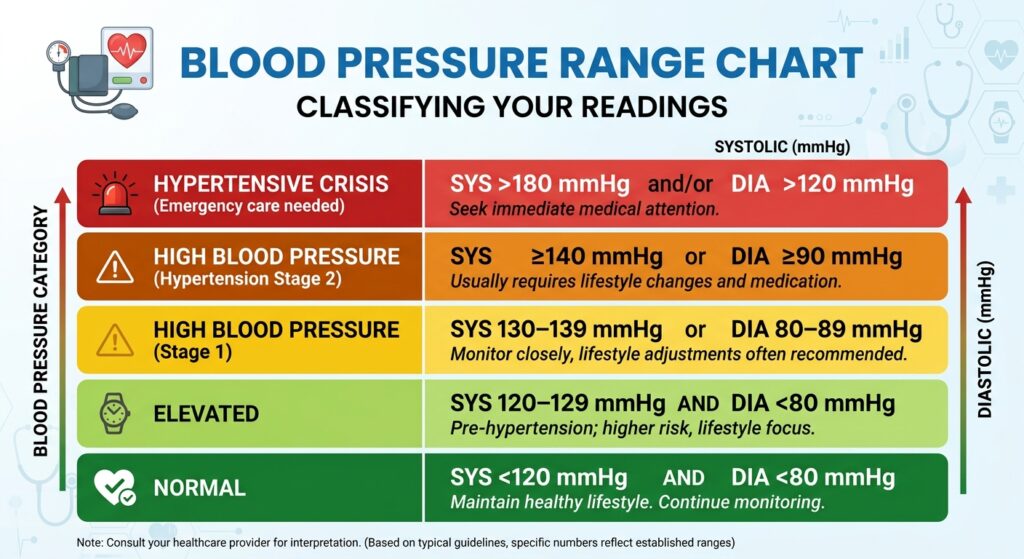
Know your numbers here too
Blood pressure is written as two numbers, like 120/80:
- The top number (systolic) is the pressure when your heart beats
- The bottom number (diastolic) is the pressure when your heart rests between beats
General categories many doctors use:
- Normal: below 120/80
- Elevated: 120–129 (top) and below 80 (bottom)
- High (hypertension): 130/80 or higher
For people with diabetes, doctors often aim for tighter targets to protect the heart and kidneys, so ask what your personal goal should be.
The connection to your kidneys
This is where the trio comes full circle. Diabetes, high blood pressure, and kidney disease are all deeply linked. High blood pressure damages the kidneys, damaged kidneys raise blood pressure, and diabetes drives both. Managing your blood pressure isn’t just about your heart, it’s one of the most powerful ways to protect your kidneys too. (We cover the kidney side in our [Type 2 + Kidney Disease article →].)
What actually helps
The encouraging part is the same habits that help your blood sugar tend to help your blood pressure, so you’re often fighting both with one set of changes:
- Move regularly — even walking lowers both blood sugar and blood pressure
- Watch sodium — too much salt raises blood pressure; a lot of it hides in processed and restaurant food
- Lose a little weight if needed — modest weight loss helps both conditions
- Limit alcohol, and don’t smoke
- Take medications as prescribed — many people need medication for blood pressure, and that’s completely normal, not a failure
- Monitor at home — a simple home blood pressure cuff lets you and your doctor see what’s really happening
Questions to ask your doctor
- “What’s my current blood pressure, and what should my target be?”
- “Given my diabetes, are my heart and kidneys being monitored?”
- “Would a home blood pressure monitor help?”
- “Do any of my medications treat both conditions?”
- “What sodium level should I aim for?”
The bottom line
Diabetes and high blood pressure together sound scary, and honestly, the combination deserves respect. But here’s the empowering truth, they respond to the same healthy changes, they’re easy to measure, and catching and managing them early dramatically lowers your risk. Know both sets of numbers and bring them to every appointment. Manage them as a team, because that’s how your body experiences them.
This article is educational, not medical advice. High blood pressure requires professional diagnosis and management so always work with your doctor. If you’re experiencing a medical emergency, call 911.