

One of my first fears after diagnosis was stupidly simple: does this mean I can never eat out again? No more favorite restaurant? No travel? No enjoying food?
The answer, thankfully, is no you can absolutely still eat out, travel, and enjoy meals. You just learn a few strategies. Here’s what actually works.
At sit-down restaurants
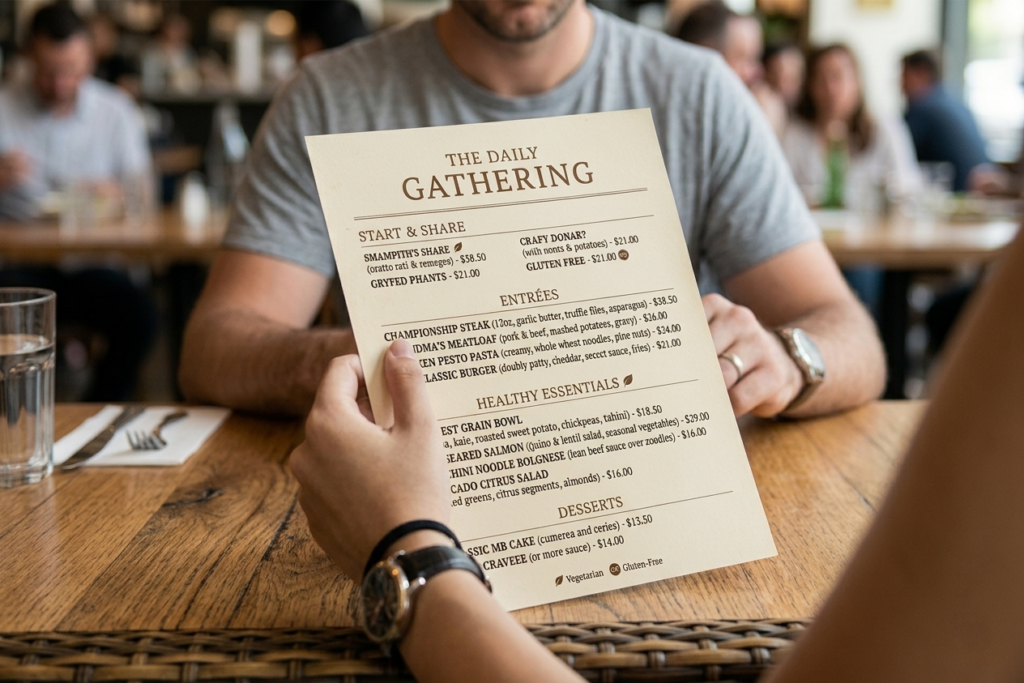
- Scan for the protein + vegetable anchor– Grilled chicken, fish, or steak with a vegetable side is almost always a safe base. I lean on fish and chicken constantly.
- Ask how it’s prepared– “Grilled” or “baked” beats “fried” or “crispy.”
- Handle the carbs deliberately– You don’t have to skip the bread basket or the pasta entirely just decide in advance how much, and ask for a smaller portion or a swap (double veg instead of fries).
- Watch the liquid sugar– Sweet tea, soda, sugary cocktails these spike you fast. Water, unsweetened tea, or a spirit with soda water are easier.
- Box half at the start– Restaurant portions are huge so make it a habit of boxing up half immediately to control both carbs and calories without willpower battles.
Eating out with Type 2 diabetes at fast food places
Fast food isn’t off-limits you just navigate it:
- Skip the sugary drink – this is the single biggest win. A regular soda can spike you more than the food.
- Go for grilled, not fried– (grilled chicken sandwich over fried).
- Lose the bun or go half– if you want to cut the carb load.
- Salads help — but watch the dressing and crispy toppings– that quietly add sugar and carbs.
- Most major chains publish nutrition info — a quick look at carb counts before you order changes everything.
Traveling with type 2 diabetes
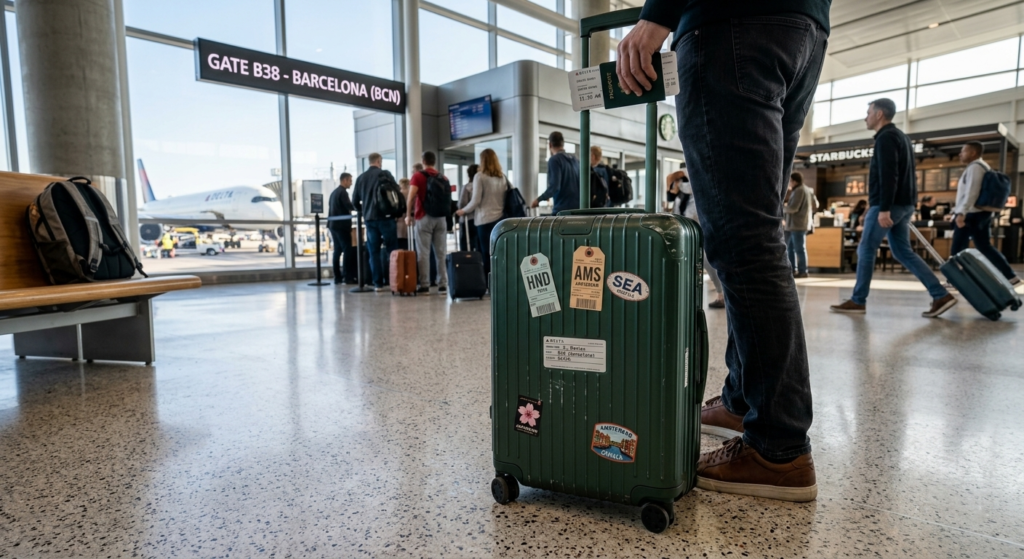
Travel was my other big worry, and it turned out to be very manageable with a little prep:
- Pack smart snacks — nuts, jerky, cheese so you’re not stuck with only vending-machine options when hunger and low blood sugar hit.
- Keep your meds and supplies in your carry-on– never checked luggage. Bring more than you think you need.
- If you use a CGM or meter, bring backups– and keep testing on trips because routine changes affect blood sugar.
- Research food at your destination ahead of time– Every cuisine has diabetes-friendlier choices; a little homework means less stress in the moment.
- Walk the city– Travel often means more walking, which is great for blood sugar so lean into it.
The mindset that matters
Here’s what I’ve learned: managing diabetes while eating out isn’t about deprivation, it’s about decisions. You’re not banned from anything you’re just choosing consciously instead of on autopilot. Some meals you’ll be strict, some you’ll enjoy a treat and adjust around it. That’s a sustainable life, not a prison.
Food is one of the joys of being alive and one of the best parts of travel. Type 2 diabetes doesn’t take that away it just asks you to pay attention.
A few go-to strategies that make eating out with diabetes easier
Over time, I’ve built a handful of habits that take the stress out of eating out with diabetes. None of them are complicated, and none of them mean ordering a sad plain salad while everyone else enjoys their meal.
Look at the menu before you go– Most restaurants post their menu online, and many chains post nutrition info too. Deciding what you’ll order before you’re hungry and staring at a menu takes the pressure off in the moment. I’ve made more bad choices hungry and deciding on the spot than I care to admit.
Eat a small snack before you leave– Showing up starving is how good intentions fall apart. A handful of nuts or a piece of cheese beforehand takes the edge off, so you order with your brain instead of your empty stomach.
Watch the “extras” that add up quietly– It’s often not the main dish that spikes you it’s the bread basket you demolish while waiting, the sugary cocktail, the appetizer, and the dessert, all stacked on top. You don’t have to skip all of them. Just pick the one that’s worth it to you and let the others go.
Slow down– Eating slowly gives your body time to register fullness, and it tends to blunt the blood sugar spike compared to inhaling a huge meal in ten minutes.
Move afterward– A short walk after a meal genuinely helps your body handle the blood sugar. On trips, this is easy and you’re usually walking to the next thing anyway. At home, even a ten minute stroll around the block after dinner makes a difference.
What about special occasions and holidays?
This is the question people always ask me, so let me be clear: birthdays, holidays, vacations and celebrations you can still be part of all of them. Type 2 diabetes doesn’t mean sitting in the corner while everyone else lives.
The trick is planning around the occasion instead of pretending it isn’t happening. If you know there’s cake at the party, eat lighter and lower carb earlier in the day. If you’re going to a big holiday dinner, take a walk beforehand and go easier on the sides so you have room for the one dish you truly love. One indulgent meal will not undo your progress it’s the everyday pattern that matters, not the occasional celebration.
What does cause trouble is the all or nothing mindset: “I already had one cookie, so the whole day is ruined, might as well eat everything.” Giving up for the rest of the day is what actually sets you back. Enjoy the moment, then simply get back to your normal routine at the next meal.
You’ve got this!
Eating out with diabetes felt impossible to me at first, and now it’s just part of my normal life. I still go to restaurants, still travel and still eat food I genuinely enjoy. The difference is that I pay attention, plan a little, and make conscious decisions and that turned out to be a small price for keeping all the good parts of life on the table.
You don’t have to figure it all out at once. Start with one habit maybe checking the menu ahead of time and build from there. Before long, it becomes second nature, and eating out stops being a source of anxiety and goes back to being what it should be: one of the best parts of being alive.
Nothing here is medical advice. Everyone’s body and carb tolerance differ so work with your care team on what’s right for you.