
When you’re newly diagnosed, doctor’s appointments can feel overwhelming. You’re nervous, there’s a lot of information flying at you, and it’s easy to walk out realizing you forgot to ask the things that were keeping you up at night.
So here’s the fix I wish I’d had: a ready-made list of questions to ask your doctor. Print it, screenshot it, or write them in your phone and bring it to every appointment. Getting good answers is how you go from feeling lost to feeling in control.
One thing I learned the hard way: you have to be your own advocate. A number of mine got missed once, and I caught it myself. Don’t be shy about asking. A good doctor welcomes an engaged patient and the questions below help you become one.
Questions about your numbers
- What is my A1C, and what should my target be?
- What was my blood sugar reading, and how serious is it?
- How often should I be testing my blood sugar at home?
- What numbers should I aim for, fasting and after meals?
- Can I get copies of all my lab results? (Always say yes to your own data.)
Questions about treatment
- Do I need medication, and if so, what does it do?
- What are the side effects, and what should I watch for?
- Should I be taking it with food, or at a certain time?
- Are there lifestyle changes that could reduce my need for medication over time?
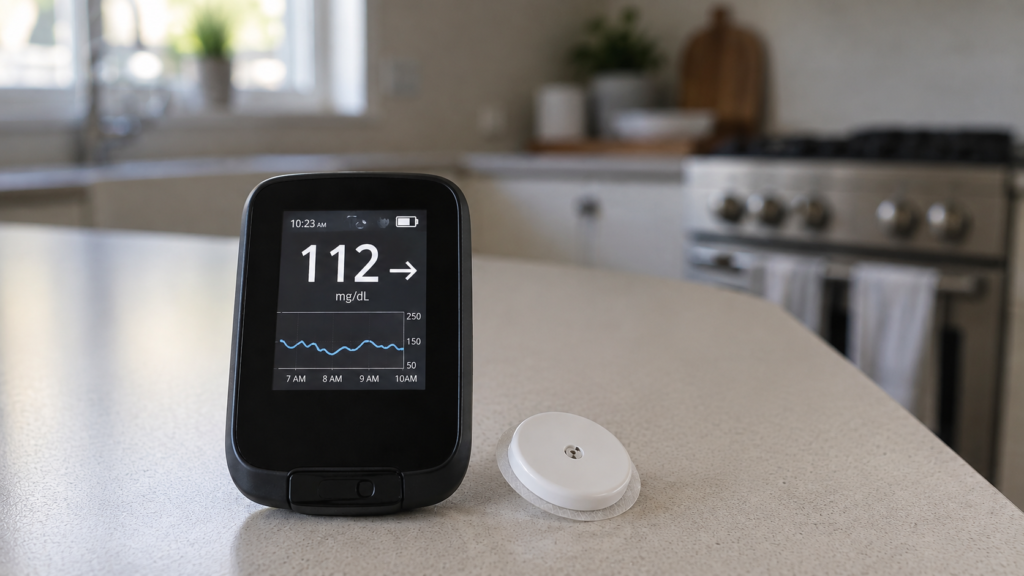
- Should I be using a glucose meter, a CGM, or both?
Questions about diet and lifestyle
- What kind of eating plan makes sense for me?
- How many carbs should I aim for per meal? (There’s no single right answer just ask what’s right for you.)
- What kind of exercise is safe and helpful for me?
- How much does weight matter for my situation, and what’s a realistic goal?
Questions about complications and monitoring
This is where being proactive really pays off. Many diabetes complications are silent early on, so ask what’s being watched:
- Are my kidneys being checked? (Ask about your eGFR and urine tests.)
- Are my eyes being monitored? (Diabetes can affect vision so ask about a retinal exam.)
- What about my blood pressure and cholesterol?
- Should I be screened for fatty liver disease?
- What warning signs should send me back to you right away?
Questions about your care team
- Should I see an endocrinologist (a diabetes specialist)?
- Can I meet with a certified diabetes educator (CDCES)?
- Is there a dietitian you’d recommend?
- How often should I come back for follow-ups?
A few tips for the appointment itself
- Bring this list (and don’t apologize for it good doctors love a prepared patient)
- Take notes, or bring someone with you who can.
- Ask them to explain anything you don’t understand like “Can you put that in plain terms?” is a perfectly good question.
- If you feel rushed or dismissed, say so. You deserve to have your concerns taken seriously.
- Get your results in writing every single time.
You’re allowed to take up space
Here’s the mindset I want to leave you with: this is your health, your body, and your life. You are not being annoying by asking questions, you’re being responsible. The patients who do best are the ones who stay engaged, ask, and advocate for themselves.
Bring your questions. Get your answers. Take control.