
When I was first diagnosed, the numbers were the scariest part. I heard terms like A1C, fasting glucose and milligrams per deciliter. People threw these terms at me like I was supposed to already know them, and nobody slowed down to explain what any of it actually meant.
So here’s the plain language version the one I wish someone had given me. No jargon, no fear and just what each number is, what’s normal and when it matters.
The two numbers that matter most
There are two you’ll hear about constantly. When you understand these you understand 90% of the conversation.
1. Your A1C
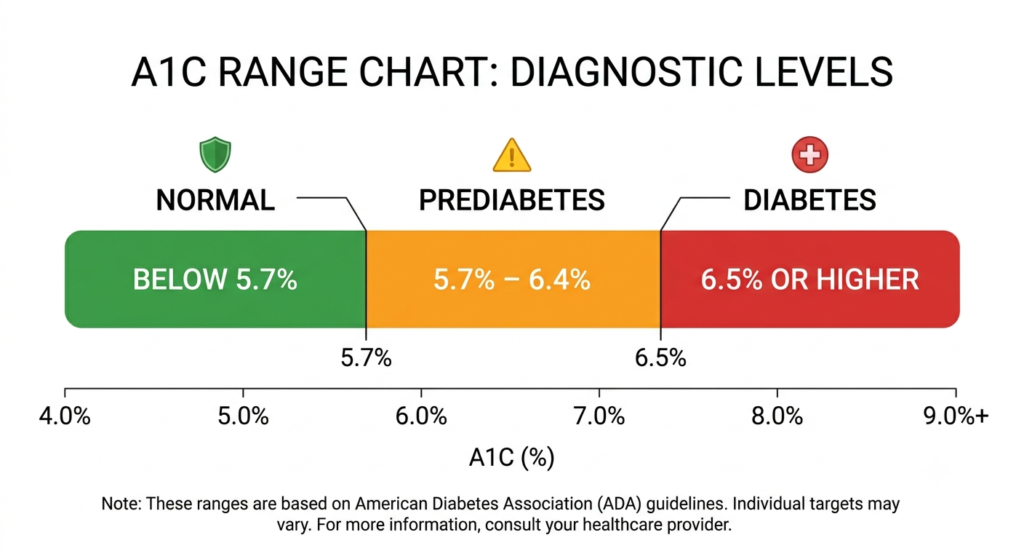
Your A1C is the big one. Think of it as your blood sugar’s “report card” over the last 2–3 months and not a single moment, but an average. One bad breakfast won’t swing it, so it shows the real trend.
It’s written as a percentage and here’s the general framework:
- Below 5.7% — normal range
- 5.7% to 6.4% — prediabetes range
- 6.5% or higher — in the range used to diagnose diabetes
For context: my A1C was around 6.0 back in December 2025 right on the edge and I didn’t fully grasp what that meant at the time. Knowing now, I understand it was a signal worth watching.
2. Your blood glucose (blood sugar)
This is the “right now” number and what your blood sugar is at this moment, measured in mg/dL (milligrams per deciliter). Unlike A1C, this one moves all day, going up after meals and down between them. Two common versions:
- Fasting glucose (measured before eating, usually in the morning): a normal range is roughly 70–99 mg/dL; 100–125 is prediabetes range; 126+ on repeat tests points to diabetes.
- Random / post-meal glucose: varies more, but very high readings (like 200+) are a flag.
To put my own story in perspective: the reading that sent me to the ER was 450 mg/dL. Now you understand why that number was an emergency as it’s several times a normal fasting level.
What about the numbers on my CGM or meter?
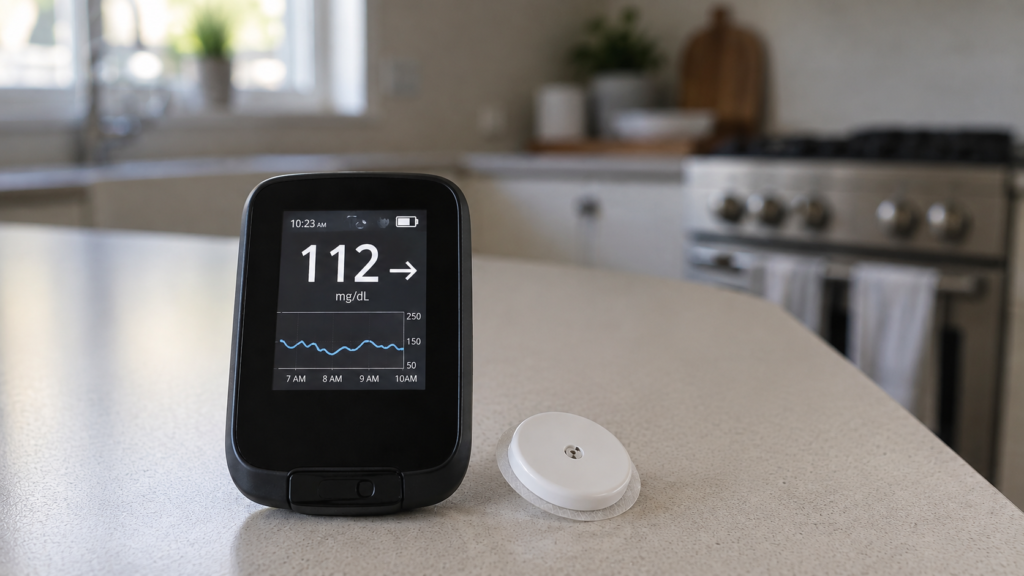
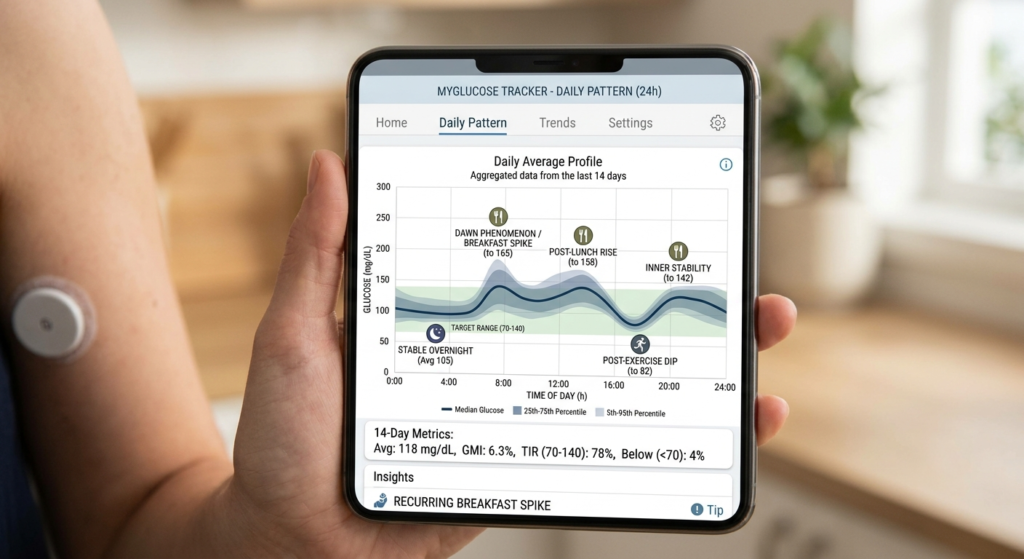
If you’ve been given a glucose meter or a continuous glucose monitor (CGM) like a Dexcom, you’ll see mg/dL readings throughout the day. Don’t panic at every fluctuation because blood sugar naturally rises and falls. What your care team looks for is the pattern: are you generally in range, and how often and how high are the spikes? That’s why the glucose log from your first week matters so much.
The number that got missed and why you should always look
Here’s something from my own experience that I want you to take seriously. I had a glucose reading of 260 in May 2026 that wasn’t flagged in a follow-up. I saw how high it was myself, but it didn’t get acted on right away.
Doctors are human and see a lot of patients. Sometimes an out-of-range value doesn’t get the follow-up it should. That’s exactly why you need to look at your own numbers — every time. Log into your health portal and ask for your results in writing. Learn what the ranges mean (you’re doing that right now). And if you have a friend or family member in the medical field, ask them to help you read your labs. It can genuinely change the course of your care.
Don’t let the numbers scare you — let them guide you
Here’s the mindset shift that helped me most: your numbers aren’t a grade on you as a person but they’re information. They tell you and your care team what’s working and what to adjust. A high number isn’t failure it’s a signal. And signals are useful, because they’re something you can respond to.
Discuss them with your doctor at every appointment. That’s how you go from feeling like diabetes is happening to you, to feeling like you’re the one managing it.
Know more. Live fully.
Next steps:
- [Questions to Ask Your Doctor →] — bring these to your next appointment
- [Just Diagnosed? Start Here →] — the full first-week checklist
- Download the free [First Steps Guide →]
Nothing on this page is medical advice. The ranges above are general reference points and your target numbers may differ based on your age, health, and your doctor’s guidance. Always work with your own care team. If you’re experiencing a medical emergency, call 911